Chosen theme: Essential Tips for Planning a Memorable Hiking Trip. Whether you’re dreaming of misty switchbacks or sunlit ridgelines, this guide helps you plan smart, hike safe, and collect the kind of memories you’ll happily retell for years. Subscribe and share your dream route so we can cheer you on.
Decide whether you crave solitude, summit glory, wildflowers, or a relaxed ramble with friends. Your goals shape distance, elevation, pace, gear, and even start time. Tell us your intention, and we’ll share fitting trail ideas.
02
Compare recent trip reports, seasonal closures, and water availability with your fitness and experience. Trail ratings can be misleading without context, so read comments carefully. Comment your region, and we’ll link reliable local resources.
03
Plan less mileage than your best training day, not more. Build buffer time for photos, snacks, and unexpected beauty. On a foggy coastal hike, our extra hour let us watch sea lions playing below the cliffs—unforgettable.
Pack Light, Pack Right
Master the Layering System
Use breathable base layers, insulating mid-layers, and a weatherproof shell. Prioritize dry feet with quality socks and broken-in footwear. I once dodged blisters on a rainy ridge thanks to spare socks and a humble plastic bag.
Tailor the Ten Essentials
Navigation, sun protection, insulation, illumination, first aid, fire, repair kit, nutrition, hydration, and shelter—adjust each to terrain and season. Share your go-to swap or ultralight trick, and inspire someone’s next refined packing list.
Fit and Balance Your Backpack
Place heavy items close to your spine, mid-back height. Keep quick-access snacks and layers up top. A well-fitted hipbelt changes everything; during a desert trek, proper fit saved my shoulders and let me enjoy the sweeping mesas.
Check multiple sources and note elevation-specific forecasts. Expect afternoon storms in mountains and fog near coasts. Once in the Sierra, thunderheads rolled in early; our dawn start turned a risky gamble into a peaceful summit sunrise.
Use Redundant Navigation
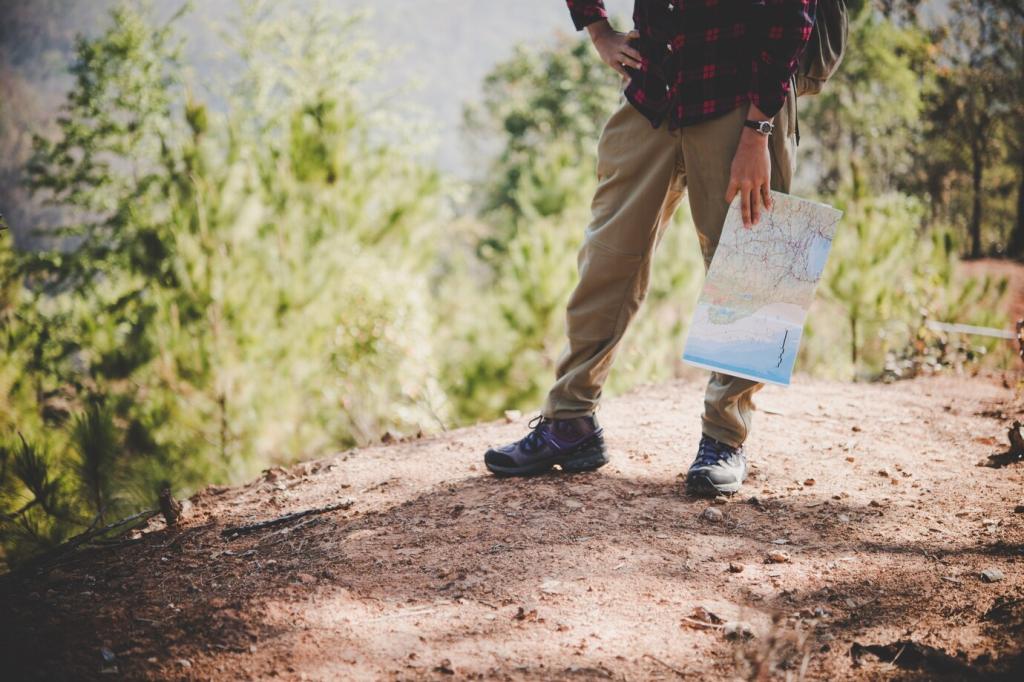
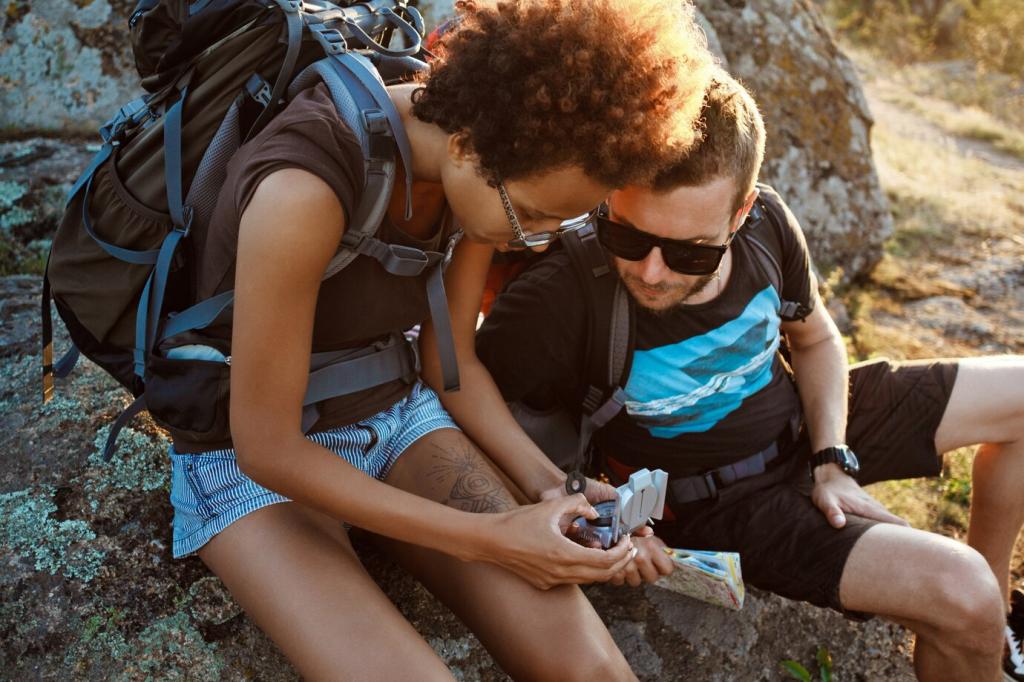
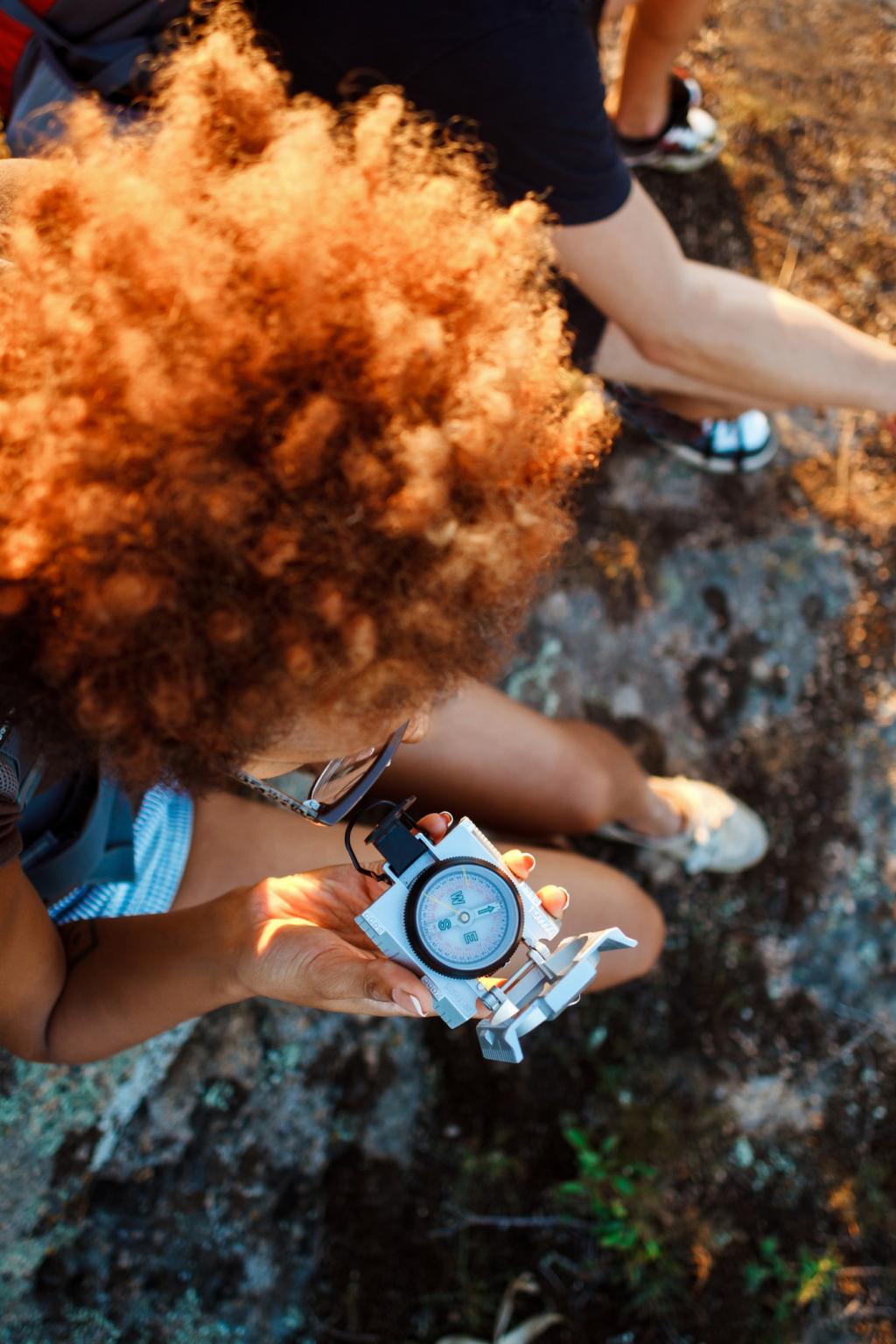
Carry a paper map, know your baselines, and back up your GPS with a compass. Download offline maps and mark water sources. Share your favorite app or atlas combo so newcomers can navigate confidently without cell service.
Set Turnaround Times and Plan B
Decide a hard turnaround time before starting. Note bail trails, shelters, and transport options. When a friend tweaked an ankle, our preplanned exit saved daylight—and our spirits. Comment your Plan B habits to help others prepare.
Prevent Injuries Proactively
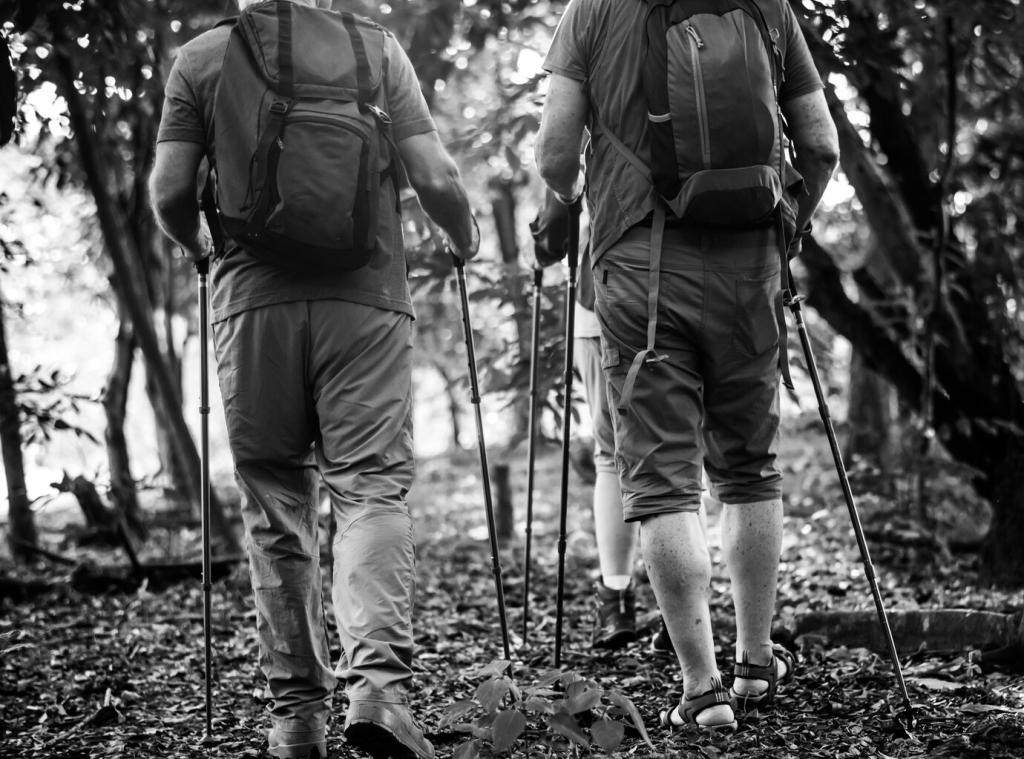
Warm up with ankle circles and hip openers, then start slow. Adjust poles for descents, and tape hotspots before they blister. What pre-hike ritual helps you most? Share it to help another hiker finish smiling, not limping.
Manage Sun, Heat, and Altitude
Use broad-spectrum sunscreen, a brimmed hat, and steady hydration. Gain altitude gradually and watch for headaches or nausea. On a high pass, micro-rests and electrolytes turned a slog into steady progress and a rewarding panoramic view.
Emergency Communication and Signaling
Carry a whistle, reflective panel, and, for remote routes, a satellite messenger. Tell a trusted contact your itinerary and check-in plan. Drop your best emergency checklist suggestion so others can refine their safety protocols.
Start hydrated, sip steadily, and track intake with time goals. Electrolytes matter in heat and on long climbs. Tell us your favorite mix-in or method; someone reading this might finally fix their mid-afternoon energy crash.
Aim for small, regular snacks every forty-five to sixty minutes. Mix sweet, savory, and protein to prevent taste fatigue. My morale soared on a windy ridge after a handful of sesame sticks and a square of dark chocolate.
Research seasonal flow, carry enough between sources, and bring backup treatment. Filters, chemical drops, and UV all have trade-offs. Share your preferred method and why; your insight could spare someone a parched final mile.
Check regulations, permits, fire restrictions, and trail closures. Choose durable surfaces and off-peak times. A quiet weekday start once gifted us a valley full of elk at dawn—zero crowds, pure wonder, and minimal disturbance.
Stack brisk walks, stair sessions, and loaded hill repeats. Add core and single-leg work for stability. What training tweak boosted your last hike? Share it, and help another reader turn daunting elevation into doable joy.
Train Smart for Happy Miles
Test shoes, socks, pack, and nutrition on short local hikes. Note hotspots, adjust straps, and time your transitions. Our pre-trip shakedown caught a leaky reservoir, saving the real adventure from a very soggy surprise.