

Welcome! Today’s chosen theme is Choosing the Perfect Hiking Trail for Your Skill Level. Together, we will match honest self-assessment with smart planning, so every step feels confident, safe, and deeply rewarding. Share your questions, subscribe for fresh route ideas, and tell us where you are hiking next.

Know Your Current Skill Level

Log how far you comfortably hike, the pace you hold with a small pack, and how you feel the next day. Your recovery speed is a powerful clue when choosing distance, elevation, and daily limits that match your strengths.

Know Your Current Skill Level

Reflect on how you handle roots, loose gravel, creek crossings, and narrow edges. If mild exposure rattles you, select wider trails and forest routes first. Confidence grows when difficulty is dialed in just a notch beyond comfortable.

This is the heading

Lorem ipsum dolor sit amet, consectetur adipiscing elit. Ut elit tellus, luctus nec ullamcorper mattis, pulvinar dapibus leo.

This is the heading

Lorem ipsum dolor sit amet, consectetur adipiscing elit. Ut elit tellus, luctus nec ullamcorper mattis, pulvinar dapibus leo.

Gear and Preparation That Fit Your Level

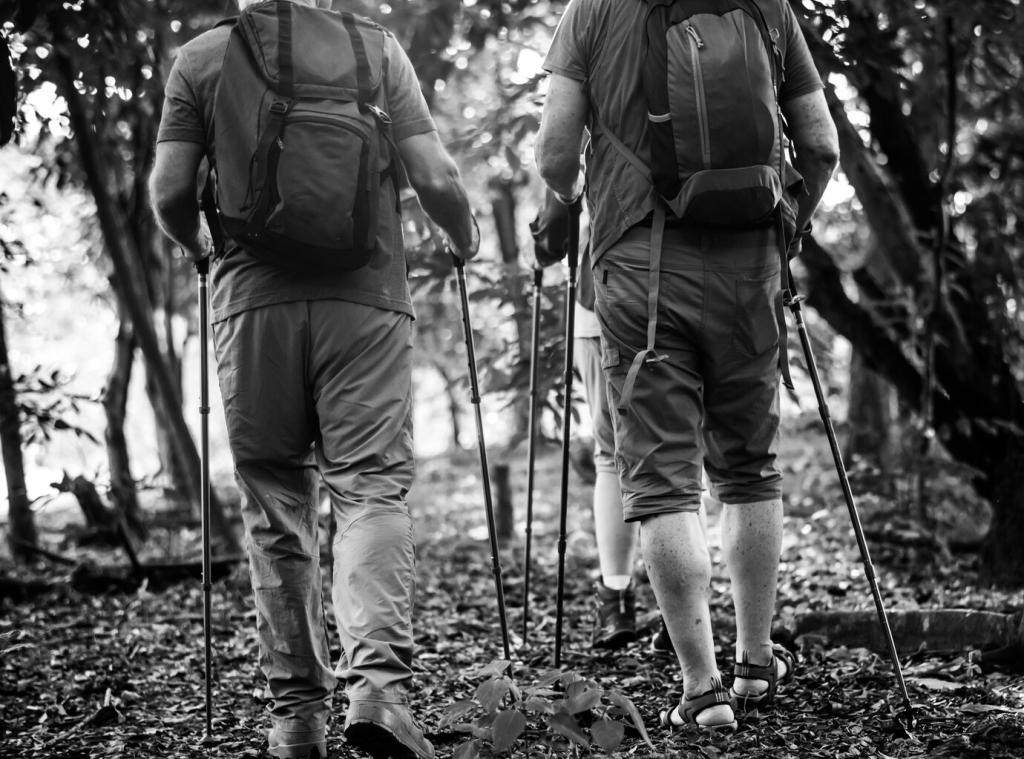
Choose footwear matched to the terrain: grippy soles for rock, supportive mids for uneven ground. Trekking poles reduce knee strain on descents. Beginners often gain instant confidence through better traction and balance on roots, stairs, and scree.

Gear and Preparation That Fit Your Level

Download offline maps and carry a paper backup if the route is complex. Mark junctions, water sources, and bailouts. Even on popular trails, reception fails. Practicing simple navigation on easy routes builds reliable skills for future challenges.

Real Stories: Choosing Well, Learning Better

01

A beginner’s win on a riverside loop

Sam picked a flat, shady riverside loop after a desk-heavy winter. They paused often for photos, kept snacks handy, and returned energized. Confidence soared, and next weekend’s modest hill felt exciting rather than intimidating or exhausting.
02

The overreach that became a smart retreat

Maya aimed for a steep summit but noticed slower pace and cooling wind after lunch. She honored her turnaround time, enjoyed a meadow overlook instead, and returned smiling. That decision preserved energy and motivation for a successful attempt later.
03

Recalibrating after injury without losing joy

After an ankle sprain, Luis swapped rugged ridgelines for soft forest trails and frequent stability breaks. He tracked progress weekly, celebrated painless miles, and gradually reintroduced gentle climbs. Patience turned careful choices into sustainable strength and genuine outdoor joy.

Build a Personal Progression Plan

Start with a comfortable base hike, then add either one extra mile or two hundred feet of gain each week, not both. Insert a lighter recovery week. This steady approach builds capacity without overwhelming your joints, lungs, or enthusiasm.
Sammartinanimation
Privacy Overview

This website uses cookies so that we can provide you with the best user experience possible. Cookie information is stored in your browser and performs functions such as recognising you when you return to our website and helping our team to understand which sections of the website you find most interesting and useful.