Chosen theme: Must-Have Gear for a Safe and Enjoyable Hike. Step onto the trail with confidence and joy as we unpack the essential items that keep you prepared, comfortable, and smiling from the first step to the final view. Stick around, share your own must-haves, and subscribe for future checklists and trail-tested tips.

Start With Your Feet: Footwear and Socks That Carry You Safely

01

Choosing Boots or Trail Runners

Match your footwear to terrain, pack weight, and distance. Boots add ankle support on rocky routes, while trail runners deliver agility and quicker drying. Look for grippy lugs, protective rock plates, and roomy toe boxes that prevent bruised nails on steep descents. Tell us what you trust on muddy switchbacks.
02

Socks, Liners, and Blister Prevention

Merino or synthetic socks manage moisture and reduce friction far better than cotton. Consider thin liners for long days, lubricate known hot spots, and carry tape or hydrocolloid patches. A tiny blister kit has saved many trips, including mine after a river crossing turned my heels to sandpaper halfway through a ridge walk.
03

Break-In Rituals and Fit Checks

Test new shoes on short walks, then local trails, and lace for varied terrain. Try fits late in the day when feet swell, and play with heel-lock techniques to prevent slippage. I once avoided a painful second day by re-lacing mid-hike, instantly stopping a developing hotspot before it ruined the final summit push.

Water and Fuel: Hydration and Nutrition That Keep You Moving

Bottles vs. Bladders

Bladders encourage frequent sipping and keep weight centered, while bottles simplify refills, mixing electrolytes, and monitoring remaining water. Choose what you actually reach for every hour. I carry both on long days: a bladder for steady drinking and one bottle for fast-filter stops and quick energy mixes at scenic breaks.

Filtration and Purification Essentials

Squeeze filters, UV pens, or chemical drops each excel in different situations. Backflush filters, keep them from freezing, and always pre-screen silty water. A compact backup like tablets weighs almost nothing and has saved friends when a clogged filter met glacier flour. What clear mountain stream surprised you with hidden sediment?

Trail Food That Powers Joy

Think a mix of quick carbs, steady fats, and some protein. Nuts, jerky, dried fruit, tortillas with nut butter, and salty chips keep legs lively. Time small snacks every hour to avoid the bonk. I still remember a sunrise summit made sweeter by warm cocoa and a crunchy apple tucked carefully against bruising.

Master the Weather: Layering and Protection That Works

Use a breathable base to move sweat, an insulating mid-layer to trap heat, and a waterproof shell to block wind and rain. Avoid cotton and favor quick-drying fibers. Pit zips and vents fine-tune comfort on climbs. Share your go-to combo that keeps you smiling when ridgelines whip and clouds billow.

Master the Weather: Layering and Protection That Works

A brimmed hat, UV sunglasses, SPF 30+ sunscreen, and a featherweight wind shirt change everything on exposed trails. A buff shields neck and dust, while light gloves cut windchill on ridges. I once turned a scorching slog into a breeze by timing shade breaks and soaking the buff at a high creek.

Safety First: First Aid, Emergency Shelter, and Communication

First Aid Kit That Actually Gets Used

Stock blister care, bandages, gauze, tape, antiseptic, pain relievers, antihistamines, and personal meds. Add tweezers, safety pins, and a few gloves. Customize for partners and pets. I once patched a knee on a slick descent, then finished smiling thanks to pre-cut strips that made field care fast and calm.

Emergency Shelter and Signaling

A space blanket or ultralight bivy blocks wind and preserves warmth if progress halts. Pair with a loud whistle and a small signal mirror. High-visibility gear doubles as a marker. An orange bandanna once flagged our location for a friend hiking behind, turning a nervous wait into a quick, relieved reunion.

Communication and Trip Plan Basics

Text a route plan and turnaround time before leaving. Consider a satellite messenger where coverage vanishes, and know how to cancel a false SOS. Clear expectations reduce stress. Share the most useful message you send before trips, and subscribe for our printable emergency card to tuck beside your map.
Choose a headlamp with a comfortable strap, reliable lockout, and a red mode that preserves night vision. Bring spare batteries or a tiny backup clip light. On one dusky descent, a teammate’s light failed; our pocket backup made the last mile a gentle stroll instead of a dicey shuffle.

Light the Way: Illumination and Power Management

Repair Kit and Little Comforts That Elevate Enjoyment

Pack tenacious tape, zip ties, a needle and thread, spare laces, and a mini multi-tool. A short cord repairs straps or anchors a shelter. I once splinted a trekking pole with a tent stake and tape, finishing strong instead of limping. What clever trail fix are you proud of pulling off?

Repair Kit and Little Comforts That Elevate Enjoyment

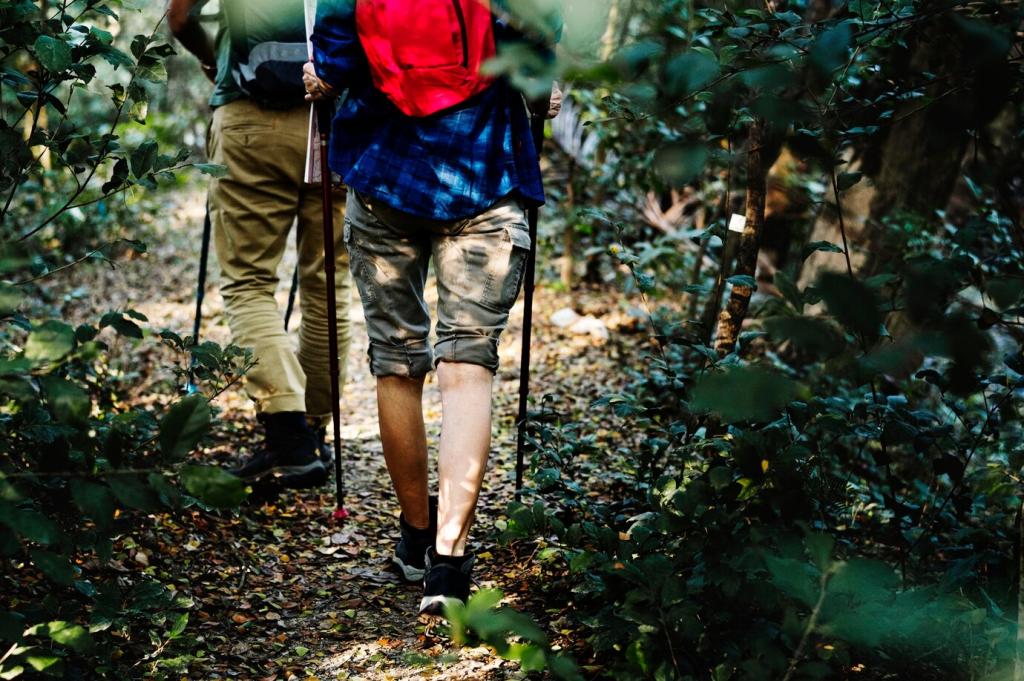
Trekking poles reduce knee stress and add balance on slippery scree. In shoulder seasons, lightweight microspikes can transform icy steps into confident strides. Adjust pole length for climbs and descents. Share how poles changed your pacing, and tell us your go-to tip for staying upright on loose, rolling gravel.
Sammartinanimation
Privacy Overview

This website uses cookies so that we can provide you with the best user experience possible. Cookie information is stored in your browser and performs functions such as recognising you when you return to our website and helping our team to understand which sections of the website you find most interesting and useful.